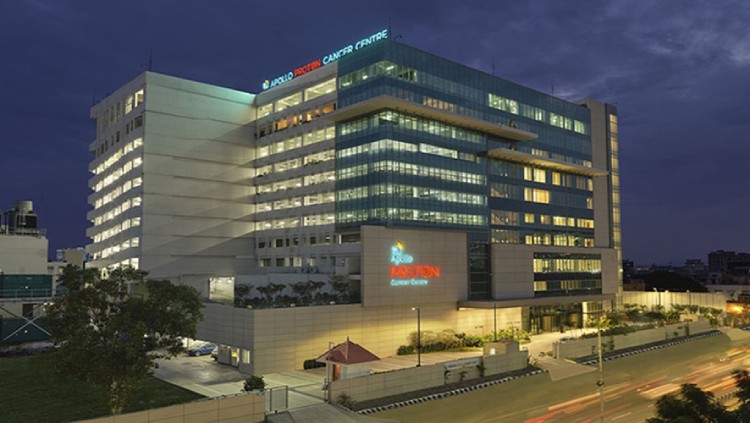
Institutional Overview & Scope
- Apollo Hospitals is one of India’s leading private hospital groups, with a large network of multispecialty hospitals.
- Its Institute of Robotic Surgery is part of Apollo’s commitment to bringing advanced, minimally invasive surgical techniques to a broad patient base. Apollo Hospitals+2Apollo Hospitals+2
- According to Apollo, their robotic surgery program covers 20+ specialties. Outlook India+2Apollo Hospitals+2
2. Scale, Volume & Growth
- Apollo Hospitals has performed 10,000+ robotic-assisted surgeries as of March 2023. Apollo Hospitals+2Outlook India+2
- According to its FY 2022-2023 annual report, the group has done 12,000+ robotic surgeries across 22 sub-disciplines since 2011. Apollo Hospitals
- There has been a 400% increase in the number of robotic-assisted procedures over the past 2 years (as of early 2023), according to Apollo. Outlook India+2ETHealthworld.com+2
- Specifically, Apollo Hospitals, Chennai, has reached 6,000+ robotic procedures for its flagship robotic surgery program. Apollo Hospitals
3. Key Specialties / Domains Using Robotics
According to Apollo’s own “Robotic Surgery” department: Apollo Hospitals
- Urology: Robotic prostate, kidney, and bladder surgeries
- Gynecology / Women’s Health
- Cardiac Surgery: They have a dedicated robotic cardiac surgery unit. Apollo Hospitals+1
- Gastrointestinal / General Surgery
- Bariatrics
- Pediatrics
- Spine Surgery: They use Renaissance robotic technology specifically for spinal guidance. Apollo Hospitals
4. Technology & Robotic Platforms
Apollo uses a variety of robotic and robotic-assistive systems: Apollo Hospitals
- Da Vinci® Robotic System (for many general, urology, oncology, gynecology procedures) Apollo Hospitals+1
- Renaissance Spine Robotic Technology: for spine surgery; Apollo claims to be the first in the Asia-Pacific region to offer this system. Apollo Hospitals
- ExcelsiusGPS®: for spine surgery. Apollo Hospitals
- CorPath© GRX vascular robotic system. Apollo Hospitals
- NAVIO™ surgical system. Apollo Hospitals
- Mako® Robotic-Arm Assisted Technology (orthopedics). Apollo Hospitals
- Hugo™ Robotic-Assisted Surgery System (Apollo also mentions using Hugo). Apollo Hospitals
5. Clinical Impact & Patient Benefits
- Reduced Hospital Stay: Apollo reports a decrease in patient hospitalization time. For example: up to 25% reduction in joint replacement patient stay, ~20% in urological procedures, and up to 50% in cardiac robotic surgeries. Apollo Hospitals+1
- Faster Recovery: Because of minimally invasive approaches, patients recover faster. Apollo Hospitals
- Less Pain & Smaller Scars: Smaller incisions → less post-op pain, lower infection risk. Apollo Hospitals+1
- Better Precision: Robotic systems help surgeons operate with more accuracy, particularly in complex or delicate surgeries. Apollo Hospitals
6. Leading Surgeons / Milestones
- Dr. Rooma Sinha (Gynecology, Apollo Hospitals): A senior robotic gynecologic surgeon at Apollo, she has completed over 1,000 robotic surgeries, which is a landmark in India. India Today+1
- The Apollo Institute of Robotic Surgery (Chennai) has been active for more than a decade: launched in ~2011. Apollo Hospitals
7. Training, Education & Innovation
- Apollo’s Robotics department emphasizes broad adoption and “tech-enabled surgical solutions.” Outlook India+1
- Given their use of various robotic platforms (not just da Vinci), they are likely building technical capacity among their surgical teams in multiple robotic systems, which is relatively advanced in an Indian context.
8. Challenges / Considerations
- Cost & Access: Robotic systems are expensive, both to procure and maintain, and that cost may pose challenges in scaling to lower-resource settings.
- Surgeon Training: Operating multiple types of robotics (spine, cardiac, da Vinci) requires deep training and experience; making sure each center has highly skilled robotic surgeons is critical.
- Appropriate Use: Not every surgical case is suited for robotics — patient selection is essential to maximize benefit.
Leave a Reply